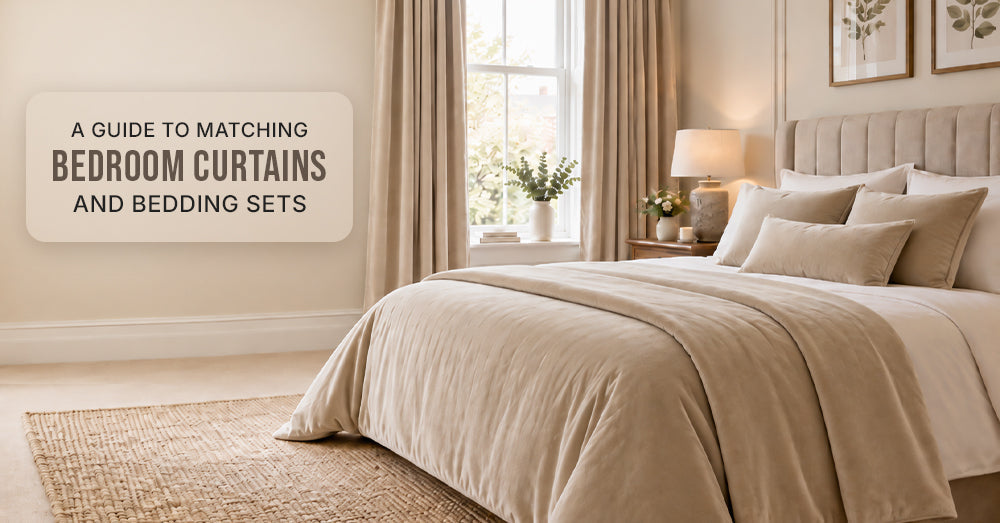

The right bedding can make a huge difference to how comfortable you feel at night. But the best duvet, sheets or duvet cover for you depends on how your body handles heat while you sleep. If you wake up sweating, throw your duvet off in the middle of the night or find polyester bedding too stuffy, you may be a hot sleeper. If your feet are always cold, you reach for extra blankets or find lightweight duvets too thin, you may be a cold sleeper. Then there are couples who share a bed but have completely different ideas about the ideal sleeping temperature. So, how do you choose bedding that actually suits you? For hot sleepers, breathable fabrics, moisture management and lighter duvet fillings are usually a good starting point. Cold sleepers often need more insulation, but that does not mean choosing the thickest duvet you can find. This guide explains how to choose the best bedding for hot and cold sleepers in the UK, including duvet tog ratings, fillings, sheets, duvet covers and seasonal bedding.
First, work out whether you're a hot or cold sleeper
Before you start comparing duvet tog ratings or thread counts, think about what happens during a typical night.
You may be a hot sleeper if you:
- Wake up feeling sweaty or overheated
- Regularly kick the duvet off
- Sleep with a window open, even during colder months
- Find synthetic bedding uncomfortable or clammy
- Prefer lightweight pyjamas and bedding
- Feel too warm under thick duvets
You may be a cold sleeper if you:
- Often have cold feet at bedtime
- Need extra blankets during autumn and winter
- Find lightweight duvets too thin
- Wake up feeling chilly
- Prefer warmer fabrics such as brushed cotton
- Feel comfortable under heavier bedding
You can also be somewhere in between. Your sleeping temperature can change depending on the room, your duvet, your pyjamas and the time of year. That is why choosing bedding based on the UK season alone does not always work.
What does a duvet tog rating actually mean?

Tog is one of the first things you'll see when shopping for a duvet in the UK. A tog rating indicates how well a duvet insulates you. In general, a higher tog duvet provides more warmth, while a lower tog duvet is lighter and better suited to warmer conditions.
Common duvet tog ratings include:
- 4.5 tog: Lightweight and often suitable for summer
- 7.5 tog: A useful middle-ground option for milder conditions
- 10.5 tog: A popular choice for colder months
- 13.5 tog: A warmer option for particularly cold bedrooms
But tog is only part of the story. The duvet filling can affect how warm and breathable a duvet feels. A synthetic duvet and a natural-filling duvet with a similar tog rating may not feel exactly the same when you are sleeping. The cover matters too. If you are a hot sleeper, putting a lightweight duvet inside a breathable cotton duvet cover may feel much more comfortable than pairing it with a heavy synthetic cover. So don't choose a duvet based on the tog number alone.
Best bedding for hot sleepers
If you regularly wake up too warm, choose bedding that lets heat and moisture move away from your body.
Choose breathable bedding fabrics
Your sheets and duvet cover sit directly against your body, so fabric choice matters. Cotton is one of the most versatile choices. It is breathable, comfortable and available in a wide range of weaves and weights. For a cooler feel, look for cotton percale. Percale has a crisp, fresh feel and is often popular with people who prefer lighter bedding. It feels smooth and is known for its moisture-management properties, making it appealing if you tend to feel hot or sweaty at night. Some bamboo-based fabrics can also feel soft and breathable, although the exact characteristics depend on how the fabric has been produced. If you sleep hot, you may want to avoid bedding that feels heavy or overly insulating, particularly if it contains a high proportion of polyester.
Pick a lighter duvet
A lower tog duvet is often a sensible choice for hot sleepers. A 4.5 tog duvet is commonly used as a summer duvet in the UK, although some people prefer lightweight bedding year-round. Your bedroom temperature matters here. Someone sleeping in a well-heated room may prefer a lower tog duvet in winter, while someone in a cold, draughty bedroom may need more insulation. Natural fillings such as wool can also be worth considering. Wool is naturally breathable and can help manage moisture and temperature. This makes a lightweight wool duvet an option for sleepers who want warmth without the heavy feel of some synthetic duvets.
Don't forget your sheets
It is easy to blame your duvet when you wake up too hot. But your fitted sheet and flat sheet can make a noticeable difference to how your bed feels.
For hot sleepers, consider:
- Cotton percale sheets
- Lightweight cotton bedding
- Breathable natural-fibre fabrics
- A moderate thread count rather than choosing the highest number available
A higher thread count does not automatically mean cooler bedding. The type and quality of the yarn, the weave and the finishing process all affect how fabric feels. If you like that fresh hotel-bed feel, cotton percale is a good place to start.
Best bedding for cold sleepers

If you are always reaching for an extra blanket, your bedding needs to provide enough insulation for your bedroom. But going straight for the thickest duvet available is not always the answer. You want warmth that still feels comfortable through the night.
Consider a medium or higher tog duvet
For many UK homes, a 7.5 to 10.5 tog duvet can work well during the colder part of the year. A 10.5 tog duvet is a popular winter choice, but your ideal rating depends on your bedroom temperature and how naturally warm you sleep. If your bedroom is cold or poorly insulated, you may need more warmth than someone sleeping in a centrally heated modern flat. Natural fillings such as wool, down and feather can provide insulation while still offering different levels of breathability and weight.High-quality synthetic fillings are another option, particularly if you prefer easy-care bedding or need a non-feather alternative.
Try layering your bedding
Layering gives you more control than relying on one extremely thick duvet. For example, you could use a medium-weight duvet with a cotton duvet cover and add a blanket when the temperature drops. This is especially useful in the UK, where bedroom temperatures can change considerably throughout the year. You can also fold a blanket at the end of the bed, ready to pull up if you get cold during the night.
Choose warmer-feeling sheets
Cold sleepers often prefer fabrics with a softer, warmer feel. Brushed cotton is a popular option for autumn and winter because the fabric has a cosy, slightly fleecy finish. Cotton sateen can also feel smoother and warmer than crisp percale. You do not necessarily need completely different bedding for every season. Swapping your sheets and duvet can be enough to change how your bed feels.
What bedding is best for couples with different sleep temperatures?

This is one of the most common bedding problems. You are cold. Your partner is sweating. One person wants the window open. The other wants another blanket. A single duvet can make this surprisingly difficult. One solution is to use two single duvets on a shared bed. Each person can choose the tog rating and filling that suits them. For example, one person could use a 4.5 tog duvet while the other uses a 7.5 tog duvet. You can still keep the bed looking coordinated with matching duvet covers. Another option is a layered bedding system. Start with a medium-weight duvet and add or remove a blanket depending on who needs more warmth. The right solution depends on your bed size, personal preferences and how different your sleeping temperatures are.
Bedding guide by UK season
Your bedding needs may change throughout the year, but you don't need to replace your bed linen every few months.
Here is a useful starting point:
|
Season |
Bedding to consider |
|
Spring |
7.5 tog duvet with breathable cotton sheets |
|
Summer |
4.5 tog duvet with lightweight cotton bedding |
|
Autumn |
7.5 to 10.5 tog duvet with cotton or brushed cotton sheets |
|
Winter |
10.5 tog duvet with warmer sheets or an additional blanket |
Treat this as a starting point, not a strict rule.A cold sleeper in a draughty Victorian terrace may need warmer bedding than a hot sleeper in a modern, well-insulated flat. Your bedroom temperature matters just as much as the month on the calendar.
Common bedding mistakes to avoid
Choosing the highest tog rating
More insulation does not automatically mean better sleep. If you already sleep hot, a very high tog duvet may leave you throwing the covers off halfway through the night.
Ignoring the duvet cover
Your duvet cover is in direct contact with your body, so its fabric and weave affect how your bed feels. A breathable duvet filling paired with a heavy, heat-retaining cover may not give you the result you expect.
Focusing only on thread count
Thread count can help when comparing similar products, but it shouldn't be your only consideration. Look at the fabric, weave and overall construction too.
Buying bedding for appearance alone
A beautiful bedroom matters, but comfort should come first. That thick, plush bedding may look fantastic in a photograph and feel far too warm when you are trying to sleep.
Assuming one duvet works for everyone
Your partner may have completely different needs. If one of you sleeps hot and the other sleeps cold, consider separate duvets or a flexible layering system.
How to choose bedding for your sleeping temperature
If you are still unsure what to buy, start with these simple questions. Do you regularly wake up hot? Do you regularly wake up cold? Consider a medium or higher tog duvet, warmer sheets and an extra blanket for colder nights. Do you have cold and hot sleepers sharing a bed? Consider two duvets with different tog ratings, or use layers you can adjust independently. Do you want bedding for year-round use? A medium-tog duvet, combined with seasonal sheets and an extra blanket, gives you more flexibility.
Build your bedding around comfort, not the calendar
No single duvet suits every UK sleeper. Your ideal bedding depends on how warm you sleep, your bedroom temperature, the fabrics you like, and whether you share your bed with someone who sleeps differently. If you sleep hot, start with breathable sheets, a lightweight duvet and fabrics that can handle moisture comfortably. If you sleep cold, look for better insulation and warmer-feeling fabrics, then use layers so you can adjust your bedding when the temperature changes. And if you are shopping for a couple with different sleep preferences, consider separate duvets. It can be a much simpler solution than fighting over the covers every night.