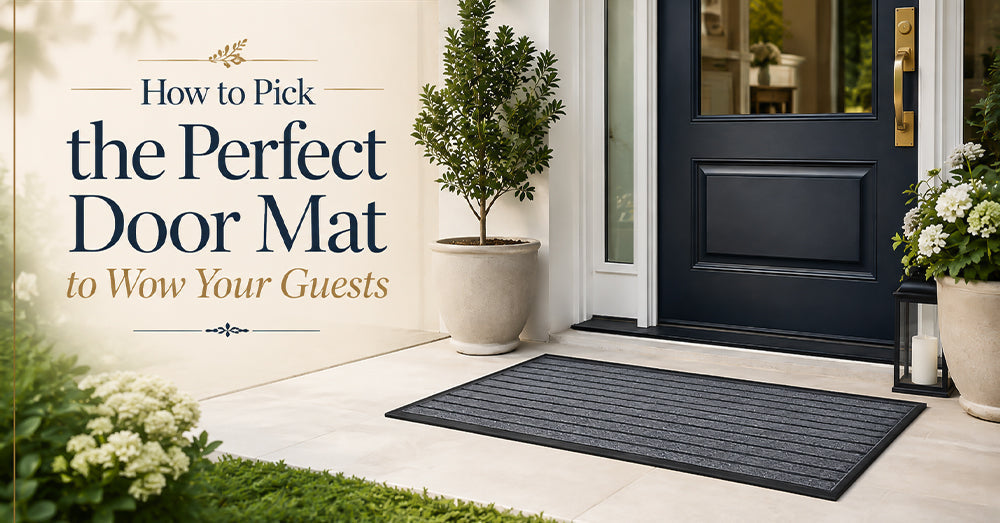
The right door mat can make a bigger difference to your entrance than you might expect. It is one of the first things people see when they visit your home, and it has a practical job to do too. A good mat helps catch dirt, mud and moisture before they reach your floors.
But with so many doormats available, how do you choose the right one?
Consider where the mat will go, how much foot traffic it will handle, what your floor is like, and the style you want for your home. Material matters too. A premium door mat can offer better performance and a more polished look, especially when it is made for the conditions it will face.
Whether you need an indoor door mat for your hallway or a hard-wearing outdoor door mat for your front entrance, this guide will help you find the right fit.
Why Does Your Door Mat Matter?
Your front door sets the tone for your home. A clean, well-chosen door mat can make the entrance feel cared for before your guests even step inside. It also has a practical side.
A quality door mat helps remove dirt and moisture from shoes. That can mean less cleaning around your entrance and less grit being walked across carpets, laminate, tiles or wooden floors.
The best door mat for your home depends on how and where you use it. A mat sitting under a covered porch has different needs from one placed directly outside an exposed front door.
So before choosing a design, start with the basics.
1. Decide Where Your Door Mat Will Go
The first question is simple. Do you need an indoor mat, an outdoor mat, or both?

Indoor door mats
An indoor door mat sits inside your entrance and provides a final barrier between outdoor dirt and your flooring.
These mats work particularly well in hallways, porches, utility rooms and entrances where people regularly come and go.
When choosing an indoor mat, consider the floor type underneath it. If you have hard flooring, look for a mat with a suitable backing to help it stay in place. If you have carpet, check the mat's construction and size so it sits neatly without creating an awkward raised edge.
For busy family homes, choose a material that can cope with regular use and is easy to clean.
You can also use an indoor mat as part of your hallway décor. Neutral colours can blend into your existing interior, while darker shades can help hide everyday marks.
Outdoor door mats
Outdoor door mats have a tougher job. They may have to deal with rain, mud, grit and heavier foot traffic.
If your front door is exposed to the weather, choose a mat made from a material suited to outdoor conditions. Look for sturdy construction that can handle regular use without quickly losing its shape or appearance.
If you have a porch or covered entrance, you have more flexibility because the mat will be protected from rain.
For homes in the UK, it is worth paying extra attention to outdoor performance. Wet weather can quickly turn a small amount of dirt into a muddy entrance.
2. Choose the Right Door Mat Material
The material affects how a mat looks, feels, cleans and performs.
No single material is best for every home. The right choice depends on where you are placing the mat and what you expect it to handle.
Coir door mats
Coir is made from coconut fibres and is a popular choice for traditional entrance mats.
Its coarse fibres can help scrape dirt from the soles of shoes, making coir a practical option for entrances where people regularly bring in outdoor debris.
Coir mats also have a natural appearance that works well with traditional and contemporary homes.
If you want a classic entrance mat with a textured finish, coir is worth considering.
Rubber-backed door mats
Rubber-backed mats can be useful where you want a mat that sits securely on the floor.
The backing can also help provide a barrier between the mat and the floor underneath. Always check the manufacturer's guidance to make sure the mat suits your flooring.
Rubber-backed designs come in a wide range of styles, so you don't have to sacrifice appearance for practicality.
Synthetic door mats
Synthetic fibres can offer a practical solution for busy entrances. Depending on the construction, they can be designed to handle regular foot traffic and may be easier to maintain than some natural-fibre options.
They are particularly useful if your household has children, pets or several people coming through the same entrance every day. When comparing synthetic mats, focus on fibre quality, backing, and overall construction rather than appearance alone.
3. Measure Your Entrance Before Buying

A door mat that is too small can look lost by the door. One that is too large may interfere with the door opening. Measure the available floor space before you order. Pay particular attention to the gap underneath your door. A thick mat can look great but become frustrating if the door catches against it every time you open it.
For an outdoor mat, measure the width of the entrance area and consider how much space people have to stand on the mat before entering. For an indoor mat, think about the path people naturally take through the hallway. Ideally, the mat should give shoes enough room to make proper contact with the surface.
If you are replacing an existing mat, measuring it can give you a useful starting point. But still check the available space around the doorway because your new mat may have different dimensions or thickness.
4. Think About How Much Foot Traffic You Get
Your perfect door mat should match your household. If you live alone and have a quiet entrance, you may not need the same level of durability as a busy family home. A family with children and pets will probably want something that can handle frequent use. The same applies if your front door is the main entrance everyone in the house uses. Consider what happens on a typical wet day.
People come inside with wet shoes. Dogs may bring in mud from the garden. Children may run through the entrance without stopping to wipe their feet properly.
Your mat needs to cope with real life. For busy entrances, prioritise quality materials and strong construction. A premium mat may cost more initially, but choosing a well-made product can be a better long-term decision than repeatedly replacing cheaper mats.
5. Pick a Door Mat That Matches Your Home
Your door mat is practical, but it doesn't have to look good, too. Think about the colours already used around your entrance. A charcoal or black mat can work well with modern doors and neutral interiors. Natural tones can complement wood, stone and earthy colours. If your entrance is simple, a patterned mat can add some personality.You can also consider your front door style. A traditional property may suit a classic coir mat, while a modern home could look better with a clean, understated design. The key is to choose something that feels intentional rather than treating the mat as an afterthought. After all, your entrance is the first part of your home your guests see.
6. Consider the UK Weather
Choosing a door mat in the UK means thinking about rain. A mat that performs well in dry conditions may struggle in a wet winter. If your outdoor entrance is exposed, choose a mat designed to handle the conditions it will face. Also consider where water will go. If your mat regularly becomes saturated, check the care instructions and make sure it can dry properly. A covered porch can make things easier. If your entrance is fully exposed, look for a robust outdoor doormat designed for demanding conditions. You may also find that using an outdoor mat together with an indoor doormat gives you better coverage. The outdoor mat can deal with heavier dirt and debris, while the indoor mat catches moisture and smaller particles before they reach your flooring.
7. Look for a Good-Quality Backing
The backing is easy to overlook when you are choosing a mat online. But it matters. A good backing helps the mat stay in place as people walk across it. This is particularly important in busy entrances where the mat gets used dozens of times a day. Before buying, check the product details for information about the backing and floor suitability. Also make sure the mat lies flat. Curled or raised edges can become a trip hazard and can make an otherwise attractive entrance look untidy. If you are placing a mat on a delicate or specialist floor, always check that the backing suits that surface.
8. Choose a Door Mat That Is Easy to Maintain
Even the best door mat will collect dirt. That is its job. The important thing is how easy it is to keep clean. Check the manufacturer's cleaning instructions before you buy. Some mats can be shaken or vacuumed, while others may need a different cleaning method. Think about your routine too. If you have a busy household, a mat that needs complicated cleaning may become a nuisance. A practical, easy-care design is often a better choice. Regular cleaning can also help your mat continue looking good and performing properly. For outdoor mats, remove loose dirt regularly. For indoor mats, vacuuming helps remove dust and debris before it embeds in the fibres.
9. Should You Buy an Indoor and Outdoor Door Mat?
For many homes, using both is a smart option. An outdoor mat can tackle heavier dirt before people enter the house. An indoor mat can then catch moisture and smaller particles. This two-mat setup can be especially useful during the wetter months. It also gives you more freedom when choosing your designs. You could choose a durable, practical outdoor mat for the front door and a softer or more decorative indoor mat for your hallway. If you have a porch, you can position the mats so there is a clear path from outside to inside. Think about how people actually use your entrance rather than simply placing a mat wherever there is available space.
10. Don't Forget About Size and Door Clearance
One of the most common mistakes when buying a new doormat is choosing one based on appearance alone. Always check the dimensions. A mat may look perfect in a product photo but be too thick for your door. Likewise, a mat that is too narrow may not give visitors enough space to wipe their feet.
Check:
- The width of your doorway
- The available floor space
- The thickness of the mat
- The gap beneath your door
- Whether the door swings over the mat
- Whether the mat will sit flat
These simple checks can save you the hassle of returning a mat that does not work in your entrance.
What Makes a Premium Door Mat Worth Considering?
Premium materials can make a noticeable difference to how a door mat looks and performs.
The quality of the fibres, backing and construction can affect durability, appearance and day-to-day use.
If your entrance gets heavy traffic, investing in a well-made mat can make sense. You want something that stays presentable after regular use, rather than quickly becoming flattened, worn, or misshapen.
When shopping online, look beyond the product photograph.
Read the material details. Check the dimensions. Look at the backing. Check the care instructions. Consider whether the mat is designed for indoor or outdoor use.
These details give you a much better idea of whether the product is right for your home.
Quick Door Mat Buying Checklist
Before you place your order, ask yourself:
- Where will the mat be used?
- Is it suitable for indoor or outdoor use?
- What size fits your entrance?
- Is the thickness suitable for your door?
- What material is it made from?
- Can it cope with your level of foot traffic?
- Is the backing suitable for your floor?
- How easy is it to clean?
- Does the design suit your entrance?
- Will it cope with the UK's wet weather if used outside?
Find the Right Door Mat for Your Home

A good door mat should do more than fill the space in front of your door. It should suit your entrance, handle your traffic level, and make everyday life a little easier. It should also look right in your home. Start by deciding whether you need an indoor mat, an outdoor doormat or a combination of both. Then check the size, material, backing and cleaning requirements.
If you want a premium finish, pay close attention to material and construction quality. A well-made mat can give your entrance a smarter appearance while helping protect the floors beyond your front door. Take your time, measure your space and choose a mat based on how you actually use your entrance. That way, your new doormat will look good when guests arrive and keep doing its job long after they have gone.